Chemist
Kikunae Ikeda
池田菊苗 · 1864–1936 · Meiji to Shōwa period
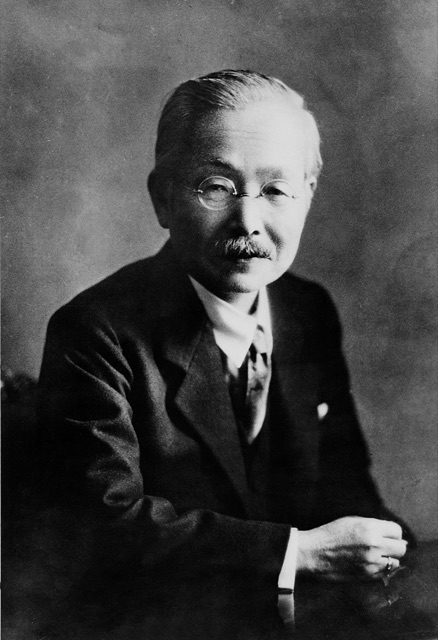
Kikunae Ikeda (池田菊苗) was a chemist who did something rare: he found a new basic taste. For centuries people had spoken of four tastes, sweet, sour, salty and bitter. Ikeda showed that there was a fifth. He also gave it the name we now use everywhere: umami.
The taste in the soup
Ikeda kept noticing something about a simple broth made from kombu kelp, a staple of the Japanese kitchen. It had a deep, savoury richness that none of the four known tastes could explain. In 1908, at Tokyo Imperial University, he studied the kelp and traced the flavour to a single substance. It was glutamate, one of the building blocks of protein. He called the taste umami, from the Japanese word for "delicious." He argued that it deserved a place next to the other four.
From lab to kitchen table
Ikeda did not stop at the discovery. He worked out how to make the flavour into a seasoning that you could sprinkle from a jar: monosodium glutamate, or MSG. He also helped start the company that sold it, which grew into the giant Ajinomoto. For a long time, the wider world was slow to accept umami. But modern science has proved him right. Our tongues really do have receptors for it. The savoury depth of a good broth, a ripe tomato or an aged cheese all goes back to the taste Ikeda first named.
Portrait: Public domain · via Wikimedia Commons
