Warlord, first unifier of Japan
Oda Nobunaga
織田信長 · 1534–1582 · Sengoku period
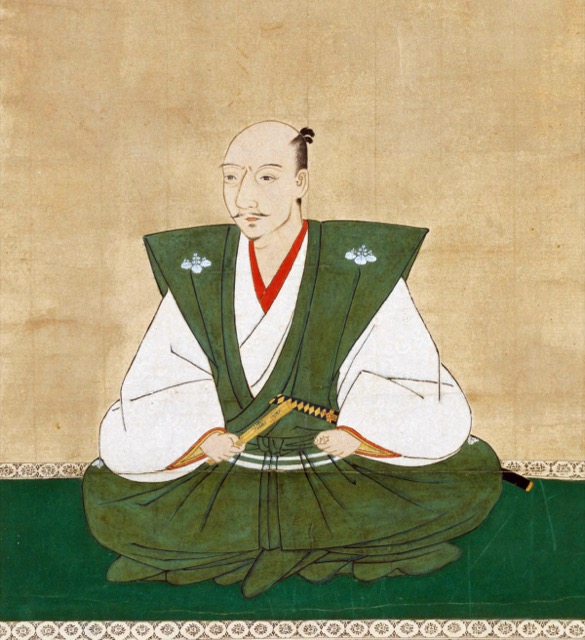
Oda Nobunaga (織田信長) was the warlord who began the unification of Japan. He came to power in the 1500s, when the country was split among warring lords. He was bold, ruthless and open to new ideas. He did not live to finish the job, but he made it possible. In a famous saying about the three unifiers and a cuckoo that will not sing, Nobunaga is the one who would simply kill it.
The fool of Owari
Nobunaga was the heir of a minor lord in Owari province, near today's Nagoya. As a young man he dressed strangely and behaved wildly. People called him "the fool of Owari." In 1560 he surprised everyone. With a small force, he defeated the much larger army of Imagawa Yoshimoto at the Battle of Okehazama. In 1568 he marched into Kyoto. Then he crushed his rivals one by one. His seal read tenka fubu: "rule the realm by force." In 1575, at the Battle of Nagashino, his massed musketeers helped break the famous Takeda cavalry.
New ideas and a sudden end
Nobunaga welcomed Portuguese missionaries and traders. He was curious about guns, clocks and European clothes. He also used the tea ceremony as a political tool. Instead of land, he often gave loyal generals rare tea bowls, almost like medals. Sen no Rikyū was one of his tea masters. Nobunaga could also be brutal. In 1571 he burned the great temple complex on Mount Hiei and killed thousands of people. In 1582 one of his own generals, Akechi Mitsuhide, turned against him. Trapped in the Honnō-ji temple in Kyoto, Nobunaga took his own life. His work passed to his general Hideyoshi, and later to Ieyasu.
Portrait: Kanō Sōshū · Public domain · via Wikimedia Commons
