Warlord, second unifier of Japan
Toyotomi Hideyoshi
豊臣秀吉 · 1537–1598 · Azuchi–Momoyama period
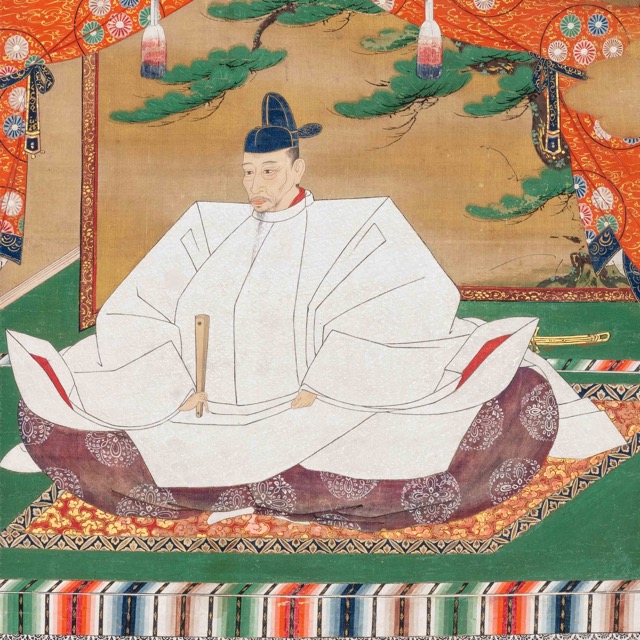
Toyotomi Hideyoshi (豊臣秀吉) rose from a poor family to rule all of Japan. No one else in Japanese history climbed so high from so low. He finished the unification that Oda Nobunaga had begun. In the famous saying about a cuckoo that will not sing, Hideyoshi is the one who would coax it into singing.
From sandal-bearer to ruler
Hideyoshi was born in Owari province, the son of a foot soldier who also farmed. He entered Nobunaga's service at the very bottom. A well-known story says he warmed his lord's sandals inside his robe on cold mornings. He was small, and Nobunaga nicknamed him "Monkey." But he was clever with people and brilliant at war. He became one of Nobunaga's top generals. When Nobunaga died in 1582, Hideyoshi moved fast. Within two weeks he defeated the traitor Akechi Mitsuhide. By 1590 he controlled the whole country. His humble birth kept him from becoming shogun. Instead he took the court title of kampaku, imperial regent.
Gold, tea and a sword hunt
Hideyoshi built Osaka Castle, the greatest fortress of its day. He loved display. He even had a portable tea room made entirely of gold. In 1587 he held the Great Kitano Tea Gathering in Kyoto and invited anyone who wished to come, rich or poor. His tea master was Sen no Rikyū. Yet in 1591 Hideyoshi ordered Rikyū to take his own life. In 1588 he ordered a "sword hunt." Farmers had to hand over their weapons, and the line between warriors and peasants became fixed. His last years went badly. He invaded Korea twice, in 1592 and 1597, and both campaigns failed. He died in 1598. Soon after, Tokugawa Ieyasu took power from Hideyoshi's young son.
Portrait: Kanō Mitsunobu · Public domain · via Wikimedia Commons
